

Planning your dream trip starts with one question: what is the best time to visit Maldives? Whether you are looking for sunshine, cheap flights, or incredible diving, timing is key. The Maldives is famous for overwater bungalows and turquoise water. However, the weather changes, and so do the prices. This guide, written by travel experts with firsthand experience, will help you pick the perfect month for your specific vacation goals. We cover the main seasons, secondary activities, and crucial travel tips to ensure you make an informed decision for an unforgettable journey to these stunning islands.
Quick Answer: When is the Best Time to Visit Maldives?
The best time to visit Maldives for guaranteed sunshine and calm, clear water is during the dry season, from December to April. This is the peak season, offering ideal conditions for beach lounging, snorkeling, and diving with high visibility. If you want a balance of good weather and slightly lower prices, the shoulder months of November and April are excellent choices. For travelers prioritizing the lowest budget and willing to accept higher rainfall, the wet season (May to October) is the best time, although underwater visibility decreases.
Understanding the Maldives Climate and Seasons
The Maldives has a tropical climate. This means it is warm all year round. The temperature stays near 30°C (86°F). There are two main seasons: the dry season and the wet season, which are shaped by the Maldives monsoon patterns.
The Dry Season (Northeast Monsoon)
The dry season runs from roughly December through April. During this period, the Maldives climate is magnificent. It is characterized by bright sunshine, blue skies, and very little rain. The water is calm and clear. This makes it the maldives high season or maldives peak season, when most tourists visit. Prices for resorts and flights are highest during these months.
The Wet Season (Southwest Monsoon)
The wet season occurs between May and October. This is also called the maldives wet season or maldives low season. The Southwest Monsoon brings more rain and wind. While it rarely rains all day, you will experience sudden, heavy downpours followed by sunshine. The ocean can be rougher, and underwater visibility is generally reduced. However, this is also when the vegetation is lushest, and it is a popular time for specific activities.
Maldives Monthly Weather Breakdown
This monthly guide will help you understand what to expect from the Maldives weather throughout the year.
- January: Excellent weather. Lots of sunshine and low humidity. It is the peak season, so book early. Great for beach lovers and all water sports.
- February: Statistically the driest and sunniest month in the Maldives. Ideal conditions for visibility, perfect for diving and snorkeling. Prices are very high.
- March: Another fantastic dry month. The temperature rises slightly, but the skies are clear. Still part of the peak season.
- April: The transition month toward the wet season. Hotter and more humid, but still plenty of sun. Rain is possible but rare. Good value as the high season ends.
- May: The start of the wet season. Expect mixed days. Short, intense storms are common, often followed by sunshine. Excellent time for manta rays (wet season feeding).
- June: High chance of rain and stronger winds. Budget travelers will find the lowest prices. Underwater visibility is reduced. Surfing season is picking up.
- July: Similar to June, with frequent rainfall. The surf season is in full swing (especially in the central atolls). Resorts offer great deals.
- August: Rain is still frequent but often breaks for sunshine. August remains popular due to European summer holidays, keeping prices moderate rather than low. Manta ray aggregation begins again in certain atolls (like Baa Atoll).
- September: Often considered one of the wettest months. High humidity. Great value for accommodation. Good for seeing sharks, especially in the far south.
- October: The final month of the maldives wet season. Overcast days and rain continue, but toward the end of the month, the chance of clear days increases. Last chance for great low-season pricing.
- November: The transition back to the dry season. The weather improves significantly. Expect more sunshine, though a surprise shower is possible. This is a shoulder month offering good value.
- December: The beginning of the maldives high season. Weather is generally sunny, but the first two weeks might have lingering rain before drying up for the holidays. Prices spike dramatically around Christmas.
The Best Time to Visit Maldives for Honeymoons and Romance
If you are planning your dream honeymoon, the quality of weather is your top priority. You want sunshine, spectacular sunsets, and that perfect turquoise backdrop for photos.
Therefore, the best time to visit Maldives for honeymoon couples is during the dry season, from December to April. This is the maldives high season, when the skies are reliably blue and the ocean is calm. It is also the best time to visit Maldives for romance because the calm water allows for intimate dinners on the beach, starlight cinema experiences, and relaxed sailing trips. The predictable, beautiful maldives climate ensures your special trip is picture-perfect.

Best Time to Visit for Snorkeling and Diving
The Maldives offers some of the best underwater experiences globally. When you go matters greatly for visibility and specific animal encounters.
For Snorkeling
The best time to visit Maldives for snorkeling is during the dry season (December to April). This period offers crystal-clear water and maximum sunshine, providing fantastic visibility near the surface. You will see vibrant corals and a massive variety of colorful fish on the house reefs. The calm water makes it easy and enjoyable for everyone.
For Diving
The best time to visit Maldives for diving depends slightly on which side of the atoll you are diving.
- Dry Season (Northeast Monsoon): Best for the eastern side of the atolls. Incredible visibility, strong channels, and a chance to see pelagics like grey reef sharks.
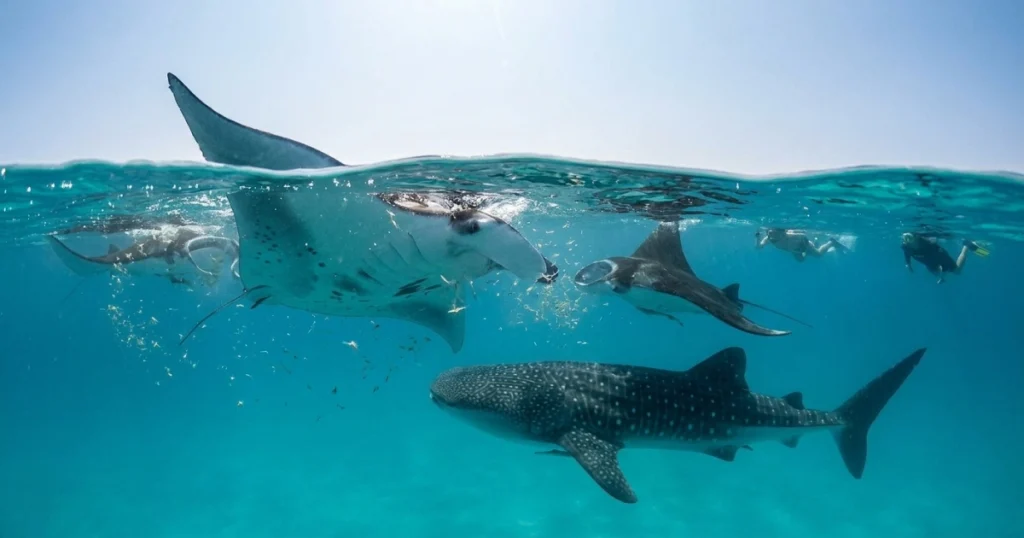
- Wet Season (Southwest Monsoon): While visibility is generally reduced, it is the best time for encounters with manta rays and whale sharks, especially in Baa Atoll’s Hanifaru Bay, which is a key aggregation site from May to November due to the plankton blooms. This makes the maldives wet season a unique time for major marine life encounters.
Best Time to Visit for Surfing
For those looking to ride waves, the Maldives has excellent breaks, particularly in the Central and Outer Atolls.
The best time to visit Maldives for surfing is generally the wet season, from May to October. During these months, the Southwest Monsoon brings more significant swells and reliable winds that create good-sized waves. The peak of the surf season is from June to August, when you will find the largest and most consistent swells. Different regions are best at different times, so check specific atolls:
- Male Atolls: Best swells May–October.
- Central Atolls: Good May–August.
- Outer Atolls (Far South): Good during both transitions, roughly March–April and September–November.

Navigating Prices: Best Time to Visit Maldives for Value
The Maldives is known as a luxury destination, but savvy travelers can save a significant amount of money by timing their visit carefully.
The Low Season (May to October)
This is undeniably the best time to visit Maldives for budget travelers. During the maldives wet season, the risk of rain lowers demand. Resorts and airlines slash their prices. You can find incredible deals, sometimes 50% lower than peak season rates, and the islands are far less crowded. If you don’t mind intermittent rain, this is the time to go. It’s a trade-off: you are gambling on weather but guaranteed substantial savings.
The Shoulder Season (November and April)
For many, this is the ideal window. The best time to visit Maldives for luxury experiences at slightly lower prices is often in April and November, the transition months. You get good weather conditions, but the extreme peak season pricing has either ended or not yet begun. You can enjoy the calm waters and sunshine while finding moderate rates compared to February or March.
Considerations for Specific Traveler Groups
Beyond activities and budget, your travel companions affect the timing of your perfect Maldives vacation.
Best Time to Visit for Families
The best time to visit Maldives for families is usually during the dry season (December to April). This ensures reliable weather for kids who want to spend all day in the pool, on the beach, or learning to snorkel in calm water. Families benefit from the predictable sunshine, avoiding the disappointment of a rainy indoor day. It is the safest and most enjoyable time for children of all ages to explore the outdoors.
Best Time to Visit for Luxury Seekers
If you seek the ultimate, flawless experience, the best time to visit Maldives for luxury travelers is in the heart of the dry season, especially February and March. This time offers the most consistent good weather, ensuring that every detail of your high-end resort experience—from private boat charters to dining under the stars—can proceed exactly as planned, without weather interruptions. You are paying for perfection, and this is when the Maldives weather delivers it.
Best Time to Visit for Beach Lovers
Naturally, if your goal is just to lie on the perfect white sand, the best time to visit Maldives for beach lovers is the dry season (December to April). February and March, specifically, offer the highest hours of sunshine and the lowest rainfall, making them the absolute best months for maximizing your sunbathing and beach relaxation time. The maldives climate during these months is simply ideal for beach activities.
Manta Rays and Whale Sharks: Special Animal Encounters
While many animals are present year-round, seeing them in large numbers is seasonal. The Maldives has one of the world’s most famous aggregation sites.
Manta Rays
To see large numbers of manta rays, the best time to visit Maldives is during the wet season (May to November). Specifically, Hanifaru Bay in Baa Atoll (a UNESCO Biosphere Reserve) is the spot to be. From roughly June to October, plankton gets trapped in the bay, creating a feeding frenzy that attracts dozens of manta rays and whale sharks simultaneously. Outside this window, you can still find mantas, but not in these massive aggregations.
Whale Sharks
Whale sharks are present year-round in the Maldives, but they have preferred feeding grounds. You can often see them on the western side of the atolls during the dry season and the eastern side during the wet season. However, for a high chance of a whale shark sighting in a concentrated area, the wet season (May–November), especially when combined with the manta aggregations in Hanifaru Bay, is your best bet for these giant encounters.
Essential Maldives Travel Tips for Every Season
Regardless of when you travel, these practical Maldives travel tips will enhance your experience and help you plan your ideal trip.
1. Choosing Your Atoll
The weather can differ slightly between the far north and the far south. The southern atolls can be slightly wetter during the dry season, but they often have better weather when the central atolls are receiving rain. For example, Addu Atoll in the far south has a slightly unique weather pattern. When deciding, consider your priorities (e.g., specific marine life like the tiger sharks of Fuvahmulah vs. overall dry days).
2. Booking in Advance
If you plan to visit during the maldives high season (December to April), you must book your resort, flights, and especially any specific experiences (like an underwater room or a specific dive course) many months in advance. The maldives peak season is very busy, and the best places fill up quickly. Conversely, for the maldives low season, you can often find great last-minute deals.
3. Packing for a Tropical Climate
The temperature is consistent, so pack lightweight, breathable clothing. Linen and cotton are excellent. You will need high SPF sunscreen, polarized sunglasses, and a wide-brimmed hat. Even in the dry season, a very light rain jacket is a smart addition, as a tropical shower is always possible. Most resorts are “barefoot luxury,” so heavy shoes are unnecessary.
4. Understanding Resort vs. Local Islands
Since 2009, tourists have been able to stay on local islands. This is the best time to visit Maldives for budget travelers to consider. Local island guesthouses are far more affordable than private island resorts. However, you must respect local customs, such as dress codes (no bikinis except on designated beaches) and the absence of alcohol. For a true immersion, a local island stay offers a different and valuable perspective on your Maldives vacation.
5. Safety and Marine Life Respect
The Maldives is generally very safe. When in the water, always wear fins (flippers) to protect your feet and the delicate coral. Never touch, step on, or stand on the coral. Similarly, always follow guidelines for interacting with marine life; do not chase or touch animals like turtles, manta rays, or sharks. Respect the incredible ecosystem that makes the Maldives unique.
Conclusion
In summary, the best time to visit Maldives depends completely on what you want from your vacation. If your priority is sunshine, calm water, and flawless beach days, then the dry season (December to April) is your answer. While it is the most expensive time, it is the peak for a reason. For travelers with specific goals like surfing, huge manta ray aggregations, or finding the absolute lowest prices, the wet season (May to October) presents unexpected opportunities and excellent value. By understanding the Maldives climate, seasonal shifts, and specialized activities, you can plan the perfect trip that balances your dreams, your budget, and the experience of a lifetime on these stunning islands.
Author Bio
Rick Michael is a travel researcher, budget analyst, and the founder of CheapestCountriesToVisit.blog. Driven by a passion for transparent, accessible travel, he cuts through misleading “cheap travel” claims by combining first-hand trip planning with rigorous daily-expense research, safety evaluations, and honest cost breakdowns. Rick focuses on destinations where travelers, digital nomads, and budget-conscious explorers can experience rich culture and reliable infrastructure without overspending. Every guide he publishes is thoroughly fact-checked and designed to help you make informed, realistic travel decisions.