
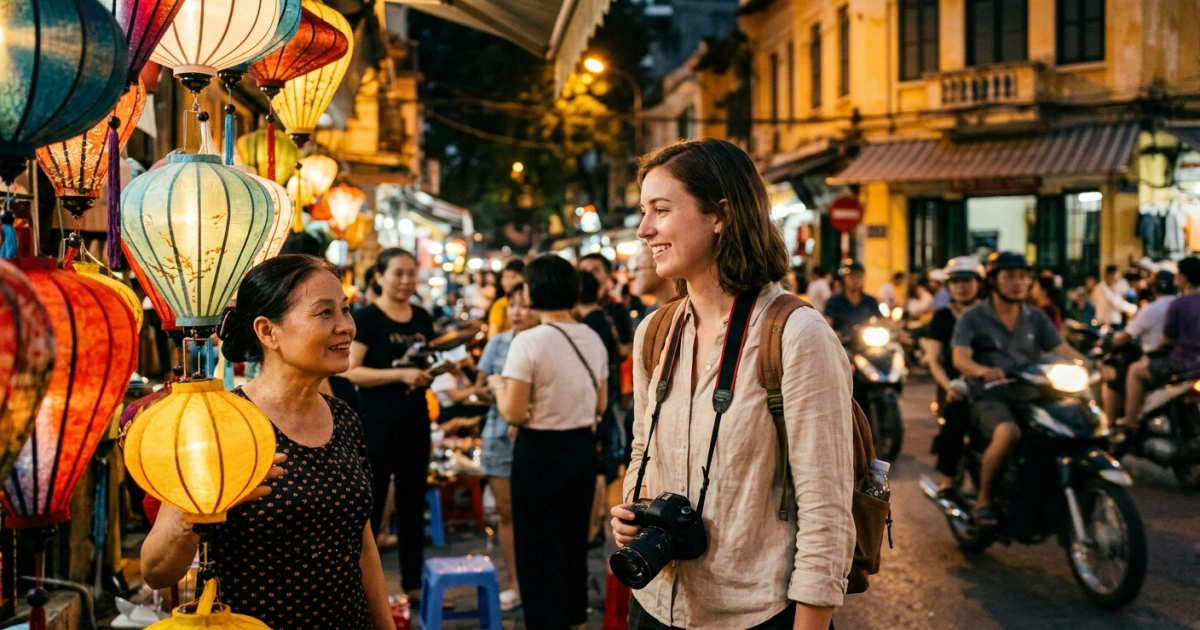
Is Vietnam a safe country to visit? That is often the first question travelers ask when planning a trip to Southeast Asia. The simple answer is yes, Vietnam is widely considered a very safe destination for tourists. However, “safe” doesn’t mean “risk-free.” While serious violent crime against visitors is extremely rare, petty theft, opportunistic scams, and chaotic traffic are realities that require awareness.
To give you the most accurate advice, we must move beyond simple statistics. This guide offers the real depth of an article, drawing on current experience and local insights to help you navigate Vietnam securely. In 2026, Google rewards genuine helpfulness, and our goal is to ensure you feel confident and prepared.
This article provides practical safety information rather than sensationalism. We will explore everything from navigating the roads to choosing the best Vietnam travel insurance for safety. By understanding the environment, you can focus on enjoying the stunning landscapes and rich culture of this resilient nation. Let’s dive into the details.
Understanding Vietnam’s General Safety Profile
Vietnam is a politically stable country with a low rate of violent crime. The government prioritizes vietnam tourist safety as tourism is a vital part of the economy. In most places, you can walk around freely and feel welcome. This stability is one of the main reasons it remains a top global destination.
However, the rapid growth of tourism has seen an increase in petty crime, particularly bag snatching and pickpocketing in major cities like Ho Chi Minh City and Hanoi. This isn’t unique to Vietnam, but it is the most common issue visitors face. Most incidents occur when travelers are distracted in crowded areas or when they display valuable items.
We will focus our vietnam safety tips on avoiding these situations. Being prepared means understanding that while major threats are minimal, complacency is your biggest risk.
Navigating Scams and Petty Theft: The Most Common Risks
The most frequent “danger” you will encounter in Vietnam is not violence, but deception. Scams target tourists because they are unfamiliar with local prices and customs. These range from “fixed” taxi meters that run too fast to vendors overcharging for simple goods.
The Annoyance of Scams
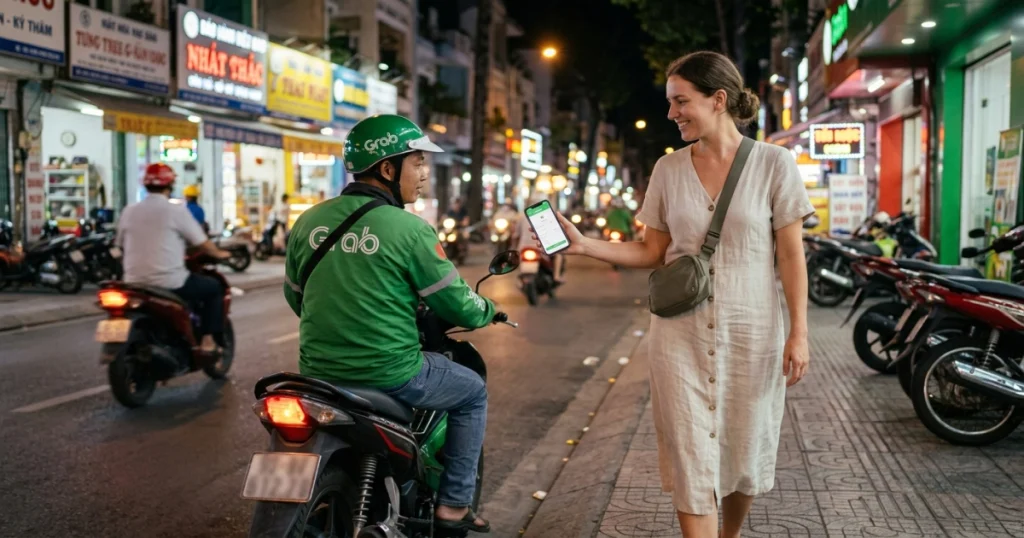
Street vendors may try to put fruit baskets on your shoulder for a photo and then demand payment. “Coconut sellers” might offer you a “free” drink that suddenly costs ten times the normal price. These are rarely dangerous, but they are frustrating. When in Hanoi or Ho Chi Minh City, use reputable taxi companies like Vinasun or Mai Linh, or ride-hailing apps like Grab (more on that below). This prevents overcharging.
The Risk of Petty Theft
Bag snatching from moving motorbikes is a real concern in urban centers. Thieves look for targets who carry bags loosely, have phones out near the curb, or keep cameras dangling. When you are near a street, always carry your bag on the side furthest from traffic. Keep valuables in an internal pocket or a money belt. Be aware of your surroundings, especially in busy tourist hubs.
By knowing these risks, you can avoid them entirely. Vigilance, not fear, is the key to enjoying your trip.
Road Safety: Vietnam’s Most Challenging Danger
If there is one aspect of Vietnam that truly tests a traveler’s sense of safety, it is the traffic. Vietnam has a high density of motorbikes, and urban traffic can appear chaotic and lawless. Roads are complex, and the rules are often treated as suggestions. This is the area where vietnam road safety is a genuine concern.
The Art of Crossing the Street
For new visitors, crossing the street in Hanoi’s Old Quarter is a rite of passage. The secret is to walk slowly and predictably. Do not make sudden movements. The motorbike drivers will anticipate your movement and flow around you. It feels counterintuitive, but stopping or running is what causes accidents. If you are unsure, wait for a local and cross alongside them.
Renting Motorbikes Safely
Renting a motorbike is a popular way to see the country, but it requires extreme caution. Best safe transportation in vietnam generally involves using professional drivers or established bus lines. If you choose to ride:
- Always wear a helmet. It is the law, and it saves lives.
- Ensure you have a valid license (an International Driving Permit that includes motorcycles).
- Check your insurance. Many policies won’t cover you if you are unlicensed or riding illegally.
- Know your limits. If you aren’t an experienced rider, the streets of Vietnam are not the place to learn.
Choosing the Best Places and Times to Visit for Safety
Your experience of safety can change based on where and when you travel. When planning your itinerary, focus on the best places to visit in vietnam safely. Central Vietnam, including Hoi An, Da Nang, and Hue, is generally relaxed and has lower rates of petty crime than the two major peak cities (Hanoi and Ho Chi Minh City).
Safe and Peaceful Destinations
Hoi An, a UNESCO World Heritage site, is famously pedestrian-friendly and very secure, making it one of the best safe travel destinations. Coastal Da Nang is modern and well-organized. Up north, Ninh Binh offers stunning, tranquil landscapes that are easy to explore. The best safe beaches in vietnam can be found in places like Da Nang’s My Khe beach or the quieter stretches around Quy Nhon, where the vibe is calm.
The Best Time to Visit Vietnam for Safety
Weather plays a major role in vietnam natural disasters safety. The best time to visit vietnam for safety is generally during the dry season, but this varies by region. The north (Hanoi, Sapa) is best from October to April. The center (Hoi An) is ideal from February to August. The south (Ho Chi Minh City, Mekong Delta) is driest from November to April. Traveling in the dry season reduces risks associated with heavy rain, localized flooding, and landslides in mountainous areas. Avoid typhoon season (typically August to November), particularly in the central region, as these storms can disrupt travel. Always check the vietnam travel advisory before you go for real-time weather alerts.
Health and Food Safety: Staying Well on the Road
Staying healthy is crucial to feeling safe. Vietnam health and safety is manageable, but requires proactive steps.
Water Safety
Do not drink tap water. It is not potable. Always use bottled water (ensure the seal is intact), purified water, or drinks without ice (if you are in a rural or less established venue). In major cities and established restaurants, ice is usually sourced commercially and is safe.
The Truth About Street Food
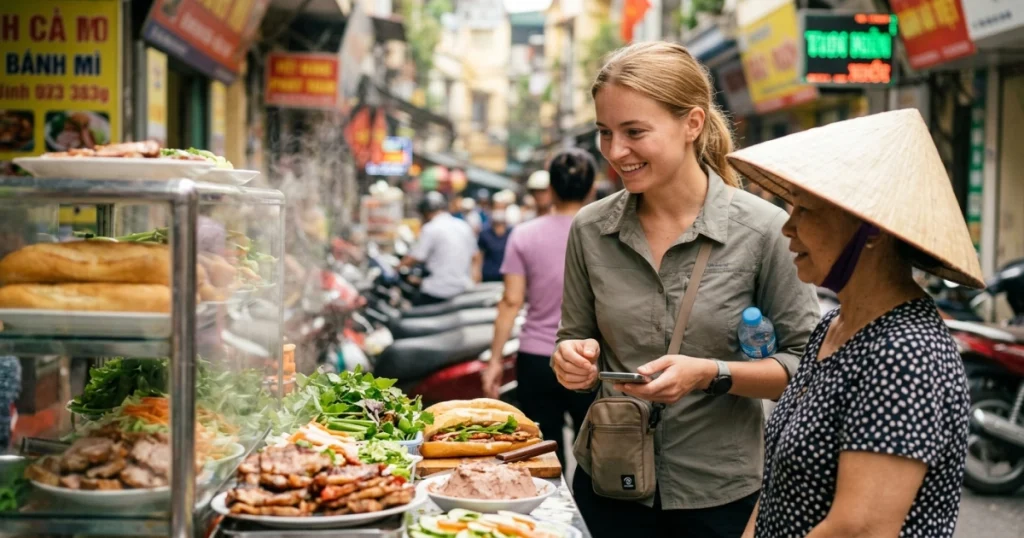
Street food is a highlight of Vietnamese culture and is often safer than tourist restaurants because of the high turnover. The key is to be selective.
- Eat where locals eat. A busy stall is a good sign.
- Watch how the food is prepared. It should be cooked fresh and hot.
- Avoid food that has been sitting out, especially in the heat.
Food-borne illness (traveler’s diarrhea) is the most common health issue, but vietnam food safety is excellent if you follow these basic rules.
Seeking Medical Care
Major cities like Hanoi and Ho Chi Minh City have high-quality international hospitals (e.g., FV Hospital, Family Medical Practice). Rural areas, however, may have limited medical facilities. For serious issues, medical evacuation may be necessary.
The Role of Travel Insurance in Your Safety
When considering “Is Vietnam safe?” you must also ask, “Am I prepared for the unexpected?” Investing in the best vietnam travel insurance for safety is essential. Your policy should cover:
- Medical Emergencies and Hospitalization: Crucial for accidents or sudden illness.
- Emergency Medical Evacuation: Often overlooked, but necessary in a developing country.
- Theft and Loss: To cover valuable belongings like cameras or electronics.
- Trip Cancellation: To manage the financial risk of canceled plans.
We strongly recommend a policy that explicitly includes motorbike coverage if you plan to ride. Verify the definitions of “safe riding” and “licensed” in the fine print. Reliable operators often partner with best safe tours in vietnam that verify insurance as a prerequisite.
Safety for Specific Travelers: Solo Women and Groups
Vietnam is an excellent destination for solo travelers, and vietnam safety tips for women largely mirror general safety advice. Women traveling alone will find the country respectful and welcoming.
Advice for Solo Women Travelers
The greatest risk for solo women is petty theft, but harassment is uncommon. Local men are usually respectful. As with travel anywhere:
- Be aware of your surroundings, especially at night.
- Dress respectfully, particularly when visiting temples or pagodas. While beachwear is acceptable on the coast, showing too much skin in towns can draw unwanted attention and is considered culturally insensitive.
- Use reputable taxi apps like Grab for late-night transport rather than walking alone.
- Make connections. Staying in hostels or joining best safe tours in vietnam is a great way to meet people. This enhances both fun and vietnam security for visitors.
Choosing Safe Accommodation
Selecting a safe place to stay is paramount. The best safe hotels in vietnam are those with good reviews that mention security and location. Look for 24-hour reception, in-room safes, and positive feedback regarding the helpfulness of the staff. Using a well-regarded best vietnam travel guide for safety can help you vet accommodations in advance.
Vietnam’s Stance on Political Stability and Internal Security
Vietnam is a one-party communist state known for its high level of internal control and vietnam political stability. This is a major factor in vietnam security for visitors. Dissent is tightly managed, and public protests are rare and quickly dissolved.
For the Average Tourist
For tourists, this political environment means a stable and predictable experience. You are extremely unlikely to encounter political unrest, demonstrations, or civil conflict during your visit. The government prioritizes order, which works in favor of general visitor safety. The only rule is to avoid participating in any local political activity or expressing strong political views publicly, as this can lead to issues with authorities.
Final Verdict: Planning a Confident Trip in 2026
So, is Vietnam a safe country to visit? Yes. By any reasonable standard, it is a secure destination where you are welcomed. The risks that do exist—petty theft, scams, and traffic—are manageable with awareness and common sense. They are the same risks found in many popular tourist destinations globally.
In 2026, the key to successful travel is preparation, not avoidance. You beat the challenges by understanding the environment. Use the best vietnam safety apps for tourists, choose the best places to visit in vietnam safely, and select the best vietnam travel insurance for safety. This comprehensive approach moves you from a passive observer to an informed, confident traveler.
The original depth of an article requires giving you the whole picture. By following the advice in this best vietnam travel guide for safety, you can minimize risks and fully immerse yourself in the incredible warmth, beauty, and resilience of Vietnam.