

Quick Answer: The best time to visit Iceland depends on your goals: June to August is perfect for the Midnight Sun, lush hiking trails, and puffins. September to March is the prime window for the Northern Lights, especially in 2026 during the solar maximum. For budget travelers and fewer crowds, the shoulder months of May and September offer the best balance of price and weather.
Iceland is a land of fire and ice that looks different every single month. Whether you want to see glowing green lights in the sky or hike through purple lupine fields, timing is everything. Since 2026 is a special year for solar activity and new travel rules, planning ahead is smarter than ever.
In this guide, we will break down the optimal iceland visit timing so you can pick the perfect season for your adventure. From the iceland weather by month travel guide to secret tips for avoiding the crowds, here is everything you need to know.
1. The Best Time to Visit Iceland for Northern Lights
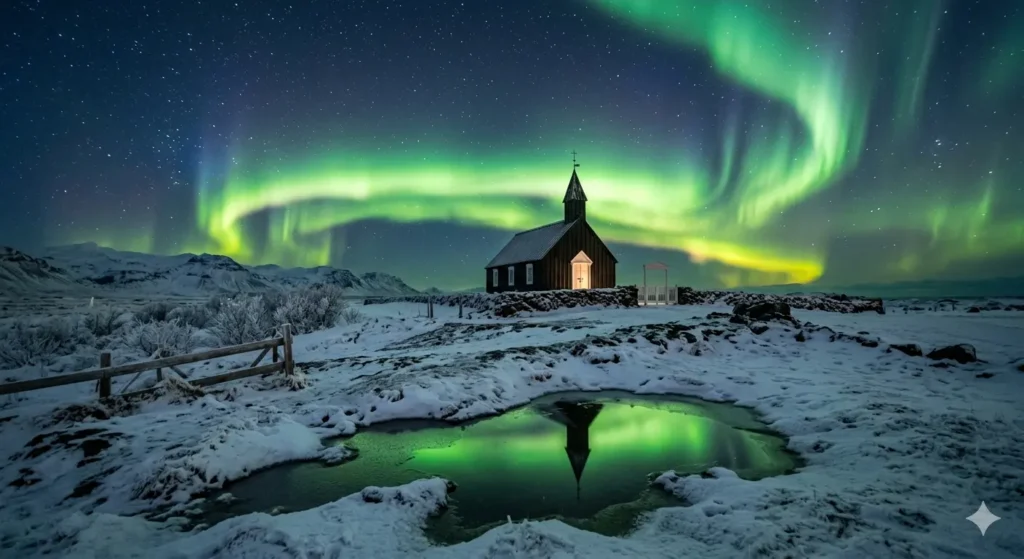
If seeing the Aurora Borealis is your top priority, you should aim for the darker months. The best time to visit iceland for northern lights is between late September and March. During this time, the nights are long and dark enough for the lights to show up.
The year 2026 is particularly exciting because we are near the “Solar Maximum.” This means the sun is very active, making the lights brighter and more frequent. For the best experience, try to visit in November or February when the skies are often clearer.
2. Summer Adventures: Hiking and the Midnight Sun
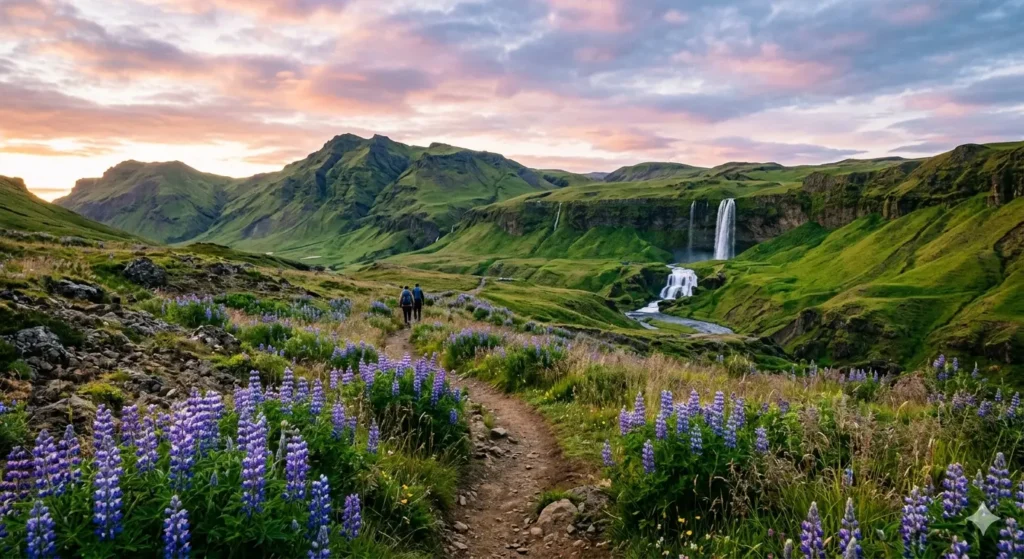
When the snow melts, Iceland turns into a vibrant green playground. The best months to visit iceland for hiking are July and August. This is when the famous “Highland” roads open up, allowing you to reach places like Landmannalaugar.
You will also experience the best months to visit iceland for midnight sun in June. Around the summer solstice, the sun never fully sets. You can go sightseeing at 2:00 AM and have the waterfalls all to yourself! This is also the best months to visit iceland for whale watching, as humpback and minke whales are very active in the coastal waters.
3. Planning for Families and Road Trips
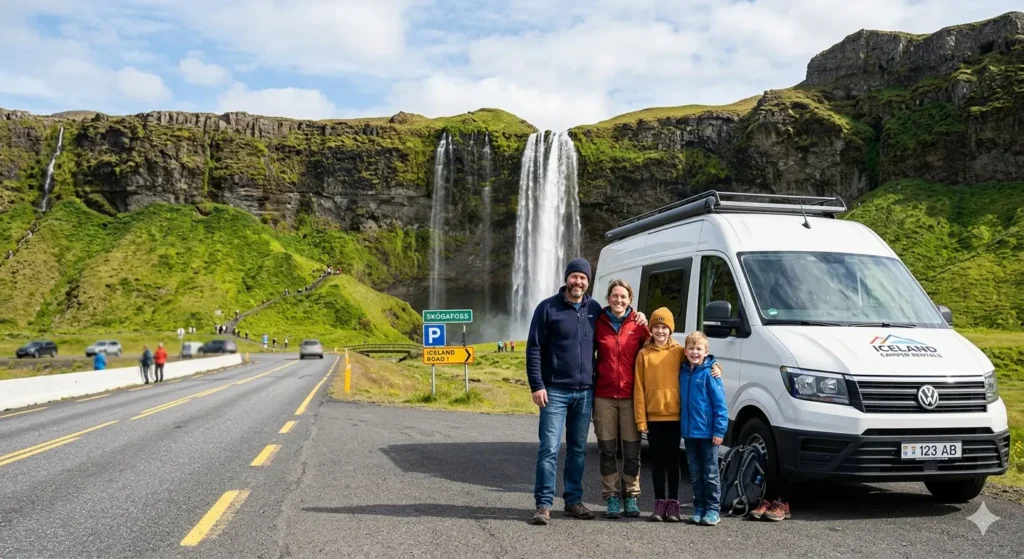
If you are bringing the whole crew, the best time to visit iceland for families with kids is during the summer (June–August). The weather is milder, the roads are safer, and the puffins are nesting on the cliffs.
For those dreaming of a journey around the Ring Road, the best season to visit iceland for road trips is also summer. In winter, many roads in the North and the East can close due to blizzards. By choosing June or September, you get the iceland seasonal attractions calendar at its best without the fear of getting stuck in a snowdrift.
4. Photography and Hot Springs
Photographers love the “Golden Hour,” and in Iceland, that hour can last all day. The best time to visit iceland for photography is often the shoulder seasons of May and September. The light stays low on the horizon, casting long, beautiful shadows over the volcanic landscape.
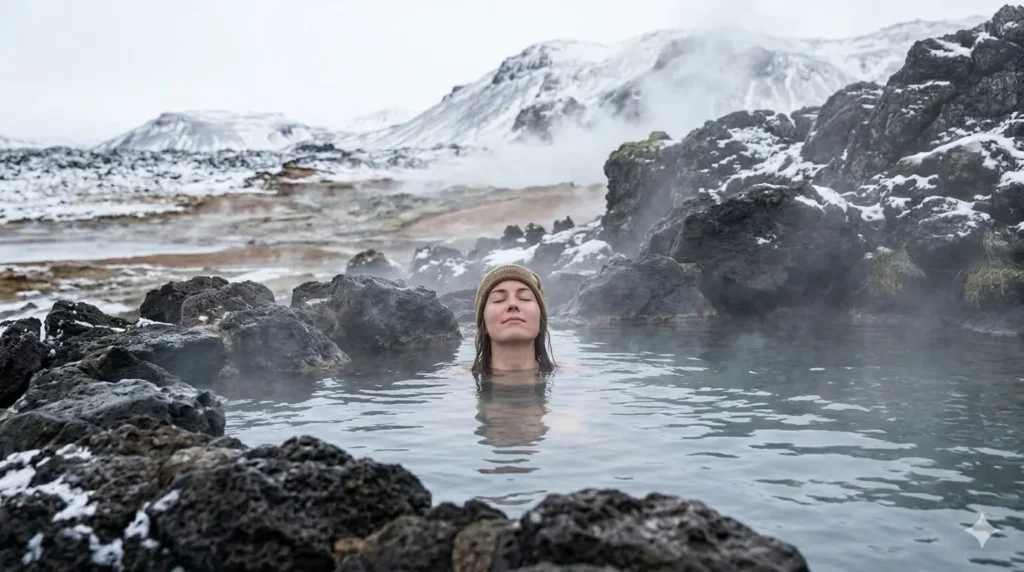
If you want to soak in geothermal water, the best time to visit iceland for hot springs is actually in the winter. There is nothing like sitting in a 100°F (38°C) pool while snow falls on your head. Places like the Blue Lagoon or the Sky Lagoon feel even more magical when the air is crisp and cold.
5. Budget Travel and Avoiding the Crowds
Iceland is known for being expensive, but you can save money with the right iceland vacation timing advice. The best season to visit iceland for budget travel is the late winter or early spring (excluding Christmas). Flights and hotels are much cheaper in October, November, and April.
To find peace and quiet, the best time to visit iceland for avoiding crowds is May or late September. These months are “shoulder seasons.” You get enough daylight to explore, but you won’t be sharing the view with dozens of tour buses. It’s the perfect time for a iceland travel month comparisons check—you get summer-like views with winter-like prices.
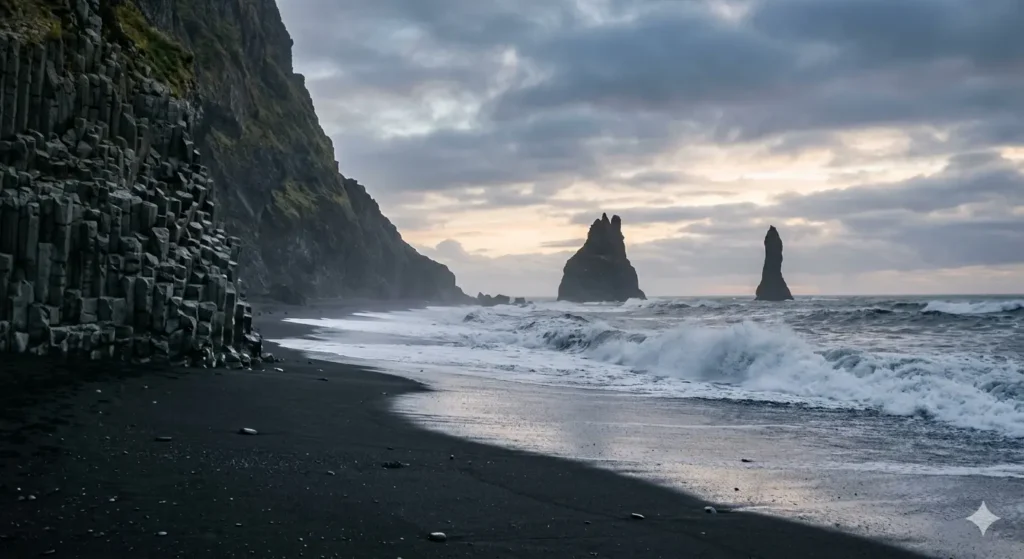
Iceland Seasonal Summary Table
| Feature | Best Months | Why? |
| Northern Lights | Sept – March | Maximum darkness and high solar activity. |
| Hiking | July – August | Highlands are accessible and trails are dry. |
| Whale Watching | May – Sept | High concentration of whales in the bays. |
| Budget Travel | Oct – April | Lower prices for flights and accommodation. |
| Midnight Sun | June | 24 hours of daylight for non-stop exploring. |
Final Trip Planning Tips
When looking at iceland climate considerations for visitors, always remember: the weather changes every five minutes. Even in the summer, you need a waterproof jacket and sturdy boots. In 2026, keep an eye on the new mileage tax for rental cars, which helps keep the island’s infrastructure sustainable.