

My Honest Journey Through the Adriatic
I’ll never forget my first time driving the Dalmatian Coast. I had this grand plan to see seven islands in ten days. I thought I was being “efficient.” By day four, I was exhausted, sunburnt, and had spent more time on ferry decks than actual beaches. I’ve since learned that Croatia isn’t a country you “check off”—it’s a country you savor.
In this guide, I’m stripping away the tourist brochures to show you the best places to visit in Croatia based on years of trial, error, and some very delicious “failures” involving too much Istrian truffle pasta. Whether you are traveling as a family, a couple, or a solo adventurer, here is how to do Croatia right in 2026.
1. Dubrovnik: The Pearl With a Plan
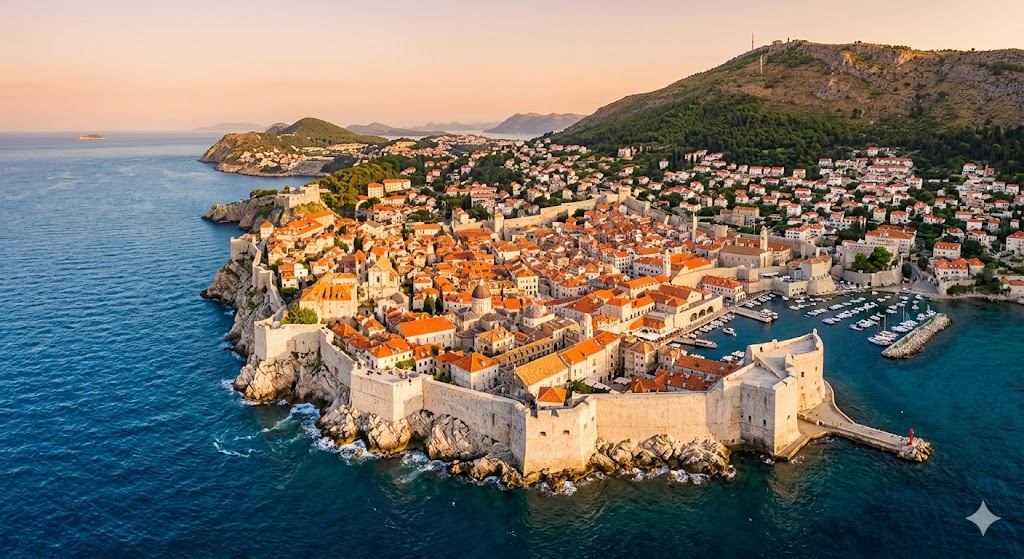
Dubrovnik is the crown jewel of Croatia UNESCO World Heritage sites, but it can be a victim of its own beauty. In 2026, the city has implemented smarter crowd management, but my professional troubleshooting advice remains the same: Stay outside the Pile Gate.
Why It’s One of the Best Places to Visit in Croatia for History Buffs
Walking the ancient city walls is non-negotiable. However, I once made the mistake of doing this at 2:00 PM in July. Don’t be me. The stone acts like an oven. Instead, go at 8:00 AM or two hours before sunset. The light hitting the terracotta roofs is pure magic.
- For Families: Take the cable car to Mount Srđ. There’s a Buggy Safari at the top that my nephews still talk about.
- For Couples: Find “Buža Bar.” It’s literally a hole in the wall that opens up to a bar on the cliffs. It’s the ultimate spot for a sunset drink.
2. Split and the Heart of Dalmatia
Split is where Croatia Mediterranean culture feels the most alive. Unlike Dubrovnik, which can feel like a museum, Split is a living, breathing city built inside the ruins of Diocletian’s Palace.
Personal Lesson: The “Slower is Better” Rule
I used to treat Split as just a ferry port to get to the Croatia beaches and islands. Big mistake. I spent a week here last summer and discovered that the best experiences happen in the “Ghetto” area—a maze of narrow alleys inside the palace walls.
- Best Places to Visit in Croatia for Foodies: Head to the Pazar (Green Market). I once spent three hours talking to a local lady about the “right” way to cure olives. Pro tip: Buy the local honey and the “Paški sir” (sheep’s milk cheese).
- Solo Travelers: Split is incredibly safe. I’ve sat at the Riva promenade for hours with a book and a coffee, and it’s the best people-watching spot in Europe.
3. The Istria Peninsula: The “New Tuscany”
If you prefer rolling hills and truffles over rugged cliffs, the Istria Peninsula travel circuit is for you. This northern region feels more Italian than Slavic.
Best Places to Visit in Croatia for Couples
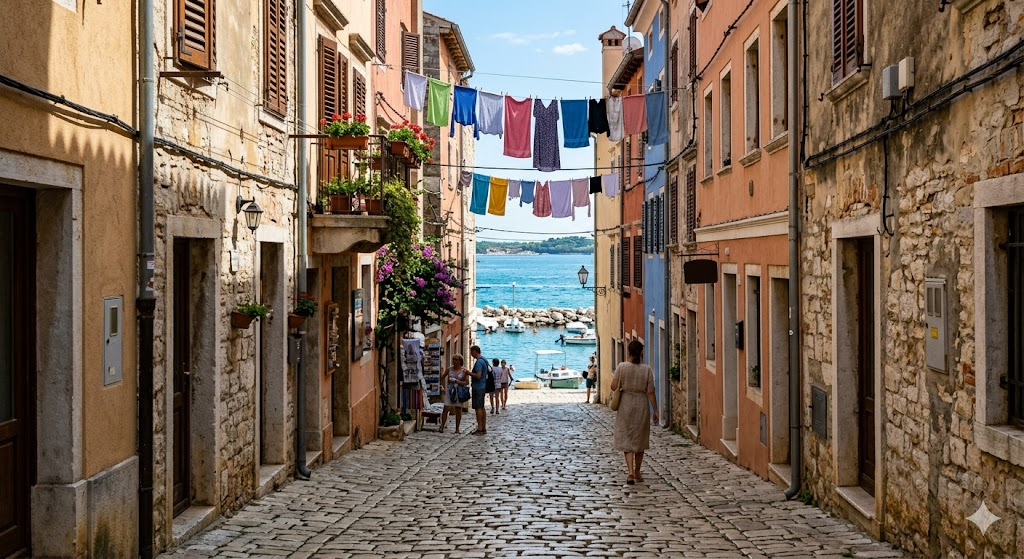
Rovinj is, in my humble opinion, the most romantic town in the country. The Croatia old towns here are distinct; they are pastel-colored and tumble right into the sea.
My Fail-Proof Tip: Rent a bike in the Golden Cape (Zlatni Rt) Forest Park. I once tried to walk the whole perimeter in flip-flops—don’t do that. The bike paths are shaded, easy, and lead to hidden rocky coves where you can swim in total privacy.
4. Nature’s Masterpieces: The National Parks
When people ask about the best places to visit in Croatia for nature lovers, two names dominate: Plitvice and Krka.
Plitvice Lakes vs. Krka
- Plitvice Lakes National Park: 16 cascading lakes. It is breathtaking but strictly “no swimming.”
- Krka National Park: Famous for Skradinski Buk. While you can no longer swim directly under the big falls (to protect the ecosystem), the boardwalks are stunning.
Troubleshooting the Crowds: If you are visiting Croatia in summer, these parks get packed. My secret? Visit Plitvice in winter. I went in February 2025, and seeing the waterfalls frozen into giant blue icicles was a spiritual experience. Plus, I was one of only ten people there.
5. Island Hopping: Vis, Hvar, and Korčula
The Dalmatian Coast attractions aren’t complete without the islands. But choosing one is like choosing a favorite child.
Best Places to Visit in Croatia for Solo Travelers: Korčula
Korčula is often called “Little Dubrovnik.” It’s walled, historic, but much quieter. It’s perfect for a solo traveler who wants to sip Grk wine and wander through history without feeling overwhelmed.
Best Places to Visit in Croatia for Families: Brač
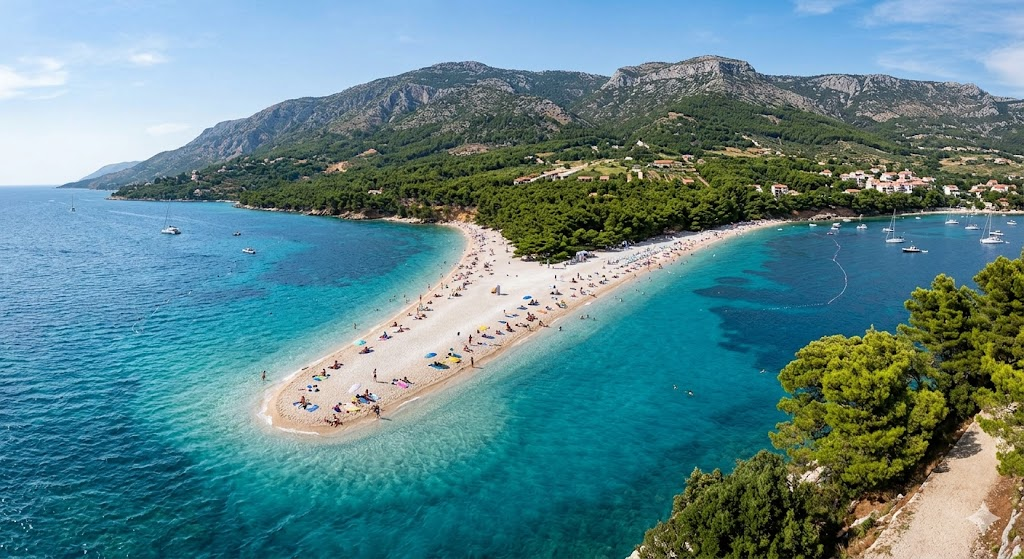
Brač is home to Zlatni Rat, the famous “v-shaped” beach. While it looks like sand in photos, it’s actually fine pebbles. Lesson learned: Bring water shoes. Your feet will thank you. The water is crystal clear, and the town of Bol has great amenities for kids.
6. Zadar: The Underrated Coastal Gem
Zadar is often overlooked for Split or Dubrovnik, but it’s actually one of the best places to visit in Croatia in summer if you want a local vibe.
Professional Insight: The Sea Organ
The Sea Organ uses the waves to create hauntingly beautiful music through underwater pipes. My advice? Don’t just go for the sunset (though Alfred Hitchcock famously said Zadar has the best sunset in the world). Go at night when the “Greeting to the Sun” light installation is glowing.
7. Zagreb: The Winter King
While most people think of croatia coastal towns, the capital, Zagreb, is actually the best place to visit in Croatia in winter.
The Advent Market
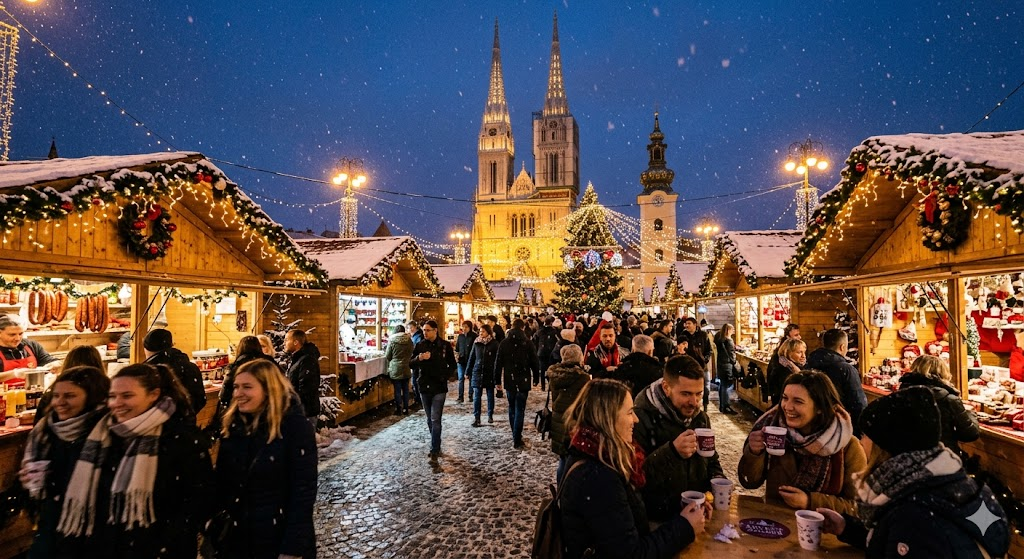
Zagreb has won “Best Christmas Market in Europe” multiple times for a reason. The whole city smells of cinnamon and mulled wine.
- For Foodies: You must try “Štrukli”—a doughy, cheesy delight that is the ultimate comfort food.
- Lessons Learned: Zagreb is cold in December. Wear layers. I once tried to look “fashionable” in a light trench coat and ended up buying a giant wool scarf from a street vendor within twenty minutes.
8. Navigating the Logistics: A Human Perspective
In 2026, traveling Croatia is easier than ever, but there are still “gotchas” that only experience teaches you.
Transport Troubleshooting
- Ferries: Use the Jadrolinija app. In peak season, buy your tickets at least 48 hours in advance. I’ve seen many disappointed travelers stuck at the dock because they thought they could “just hop on.”
- Buses: The bus network is fantastic and often faster than the train. Use “FlixBus” or “Arriva” for long-distance hauls between Croatia old towns.
The Currency and Cost
Croatia is now on the Euro. It isn’t the “budget” destination it was ten years ago, but it offers incredible value compared to Italy or France.
- Money Tip: Always carry some cash (Kuna is gone, so keep Euros) for small “konobas” (traditional taverns) on the islands. Some of the best meals I’ve had were in places that didn’t even have a card reader.
9. Specialized Itineraries for 2026
To help you narrow it down, here is a quick breakdown based on your travel style:
| Travel Style | Top 3 Destinations | Why? |
| Families | Brač, Zadar, Split | Shallow beaches, interactive art, and easy logistics. |
| Couples | Rovinj, Hvar, Korčula | Romantic sunsets, high-end dining, and boutique hotels. |
| Solo | Split, Zagreb, Vis | High safety, social hostels, and great public transport. |
| Nature Lovers | Plitvice, Mljet, Krka | Untouched forests, saltwater lakes, and waterfalls. |
| History Buffs | Dubrovnik, Pula, Šibenik | Roman amphitheaters, UNESCO cathedrals, and city walls. |
Final Thoughts: The Soul of Croatia
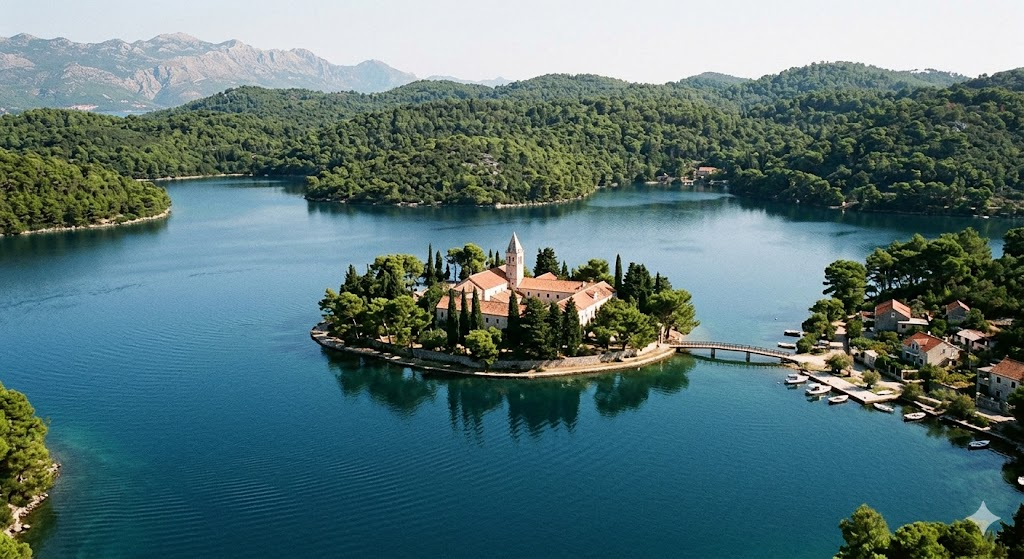
The best places to visit in Croatia are the ones where you stop rushing. Whether it’s sharing a plate of black risotto in a back-alley tavern in Šibenik or waking up early to see the mist rise over the Plitvice waterfalls, Croatia rewards the curious and the patient.
My biggest “success” wasn’t seeing every site on my list; it was the day I missed my ferry on Šolta island and ended up spending the afternoon at a local olive oil tasting instead. In 2026, leave a little room for the unplanned. That’s where the real Croatia lives.
FAQ
What is the best time to visit Croatia?
May, June, and September offer the best balance of warm weather and manageable crowds.
Is Croatia expensive in 2026?
It is mid-range. Budget about €80–€150 per day depending on your accommodation and dining choices.
Can I visit Croatia without a car?
Absolutely. The ferry and bus systems are robust. A car is only necessary if you want to explore the deep interior of the Istria Peninsula.