
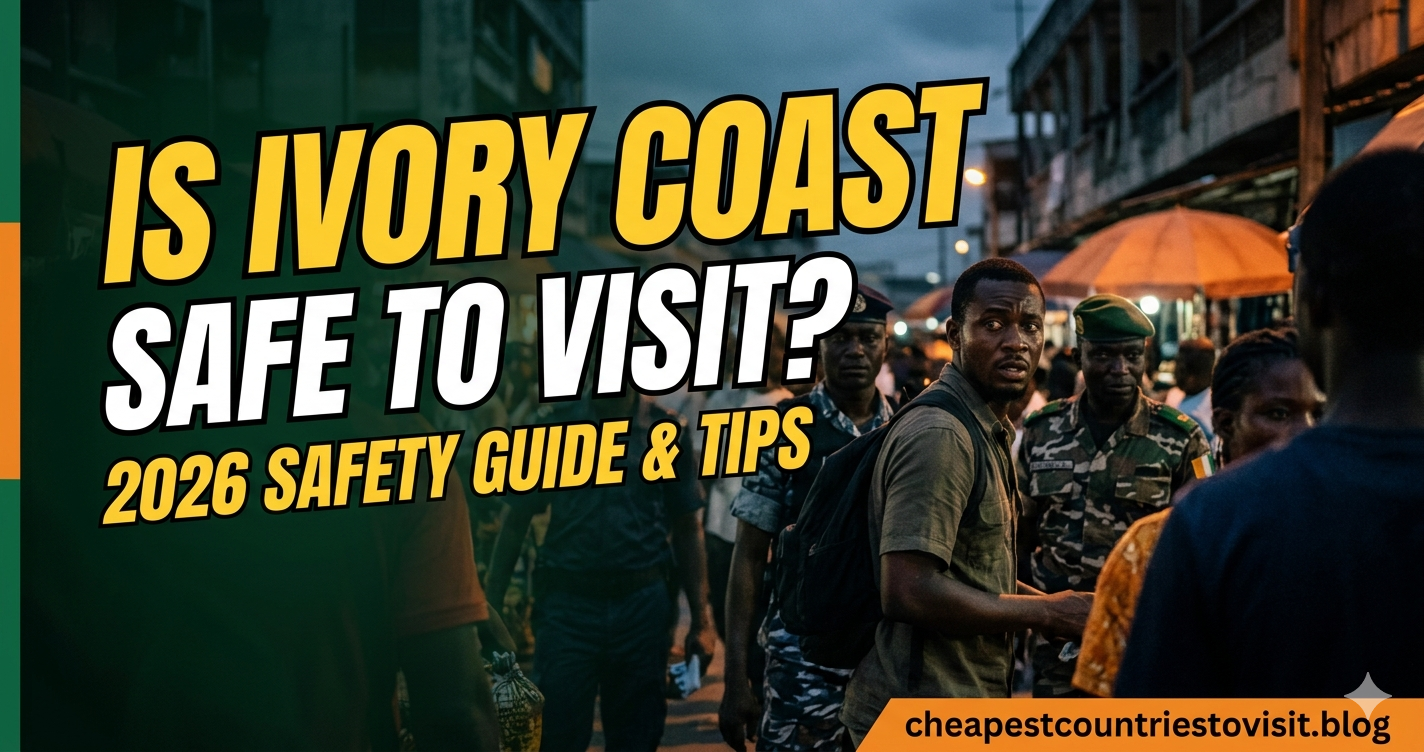
Quick Answer:
Yes, Ivory Coast (Côte d’Ivoire) is generally safe to visit for tourism and business, provided you stick to major southern cities like Abidjan, coastal hubs like Grand-Bassam, and travel with a high degree of situational awareness. The U.S. Department of State classifies it as a Level 2 destination (Exercise Increased Caution). However, you must completely avoid the northern border regions near Mali and Burkina Faso due to real threats of cross-border terrorism and kidnapping.
Is Ivory Coast Safe to Visit? Your Ultimate 2026 Guide
Planning a trip to West Africa often brings up a major question: is ivory coast safe to visit? Known officially as Côte d’Ivoire, this vibrant nation offers bustling open-air markets, stunning Atlantic beaches, and deep cultural roots. For American travelers looking for an authentic experience, the country is very much open for business. However, navigating the local security landscape requires a balance of excitement and smart preparation.
To put it plainly, cote d’ivoire travel safety depends entirely on where you go and how you carry yourself. While major hubs and coastal getaways are thriving, specific borders face real safety issues. This guide breaks down exactly what you need to know to enjoy a seamless, secure, and memorable journey.
The Current Safety Reality in Côte d’Ivoire
According to the latest travel advice from global authorities, the country sits at a Level 2 status. This means you should exercise increased caution, similar to traveling to parts of Western Europe or Latin America.
The biggest factor dividing a safe trip from a dangerous one is geography. Let us look closely at the specific regions you should explore and those you must avoid.
Regional Risks: Where to Go and Where to Avoid
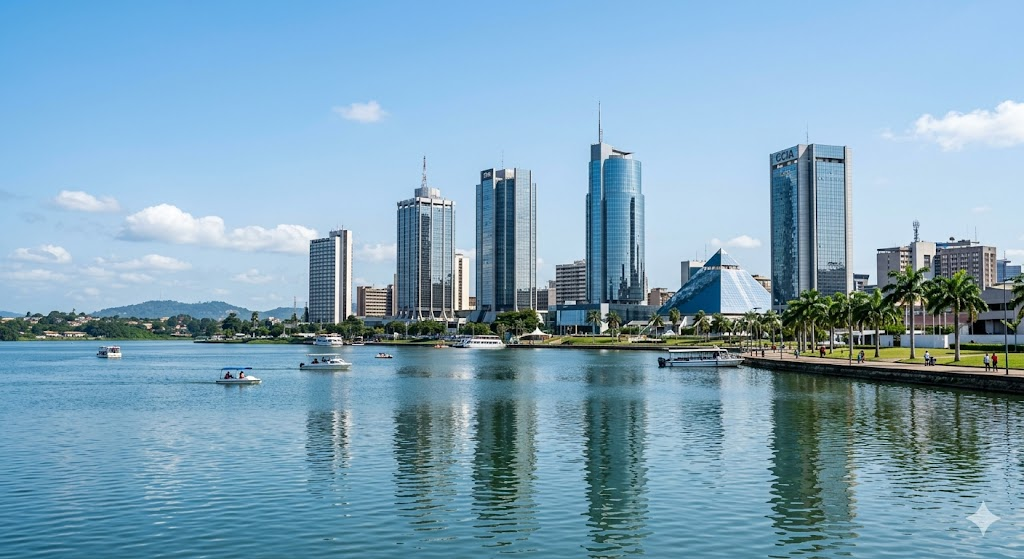
The golden rule for traveling here is to stay south. The coastal regions, historical towns, and central highways are well-monitored and welcoming to international guests.
The No-Go Zones (The Northern Borders)
International security agencies emphasize a strict “Do Not Travel” warning for the northern border areas. Specifically, stay away from any location within 30 miles of the borders with Mali and Burkina Faso.
This area faces a lingering threat of extremist activity from groups operating in the Sahel region. Places like Comoé National Park and the northern Savanes district carry severe risks of violent crime and kidnapping. Stick to the southern half of the country to keep your risk levels near zero.
Safer Regions to Explore
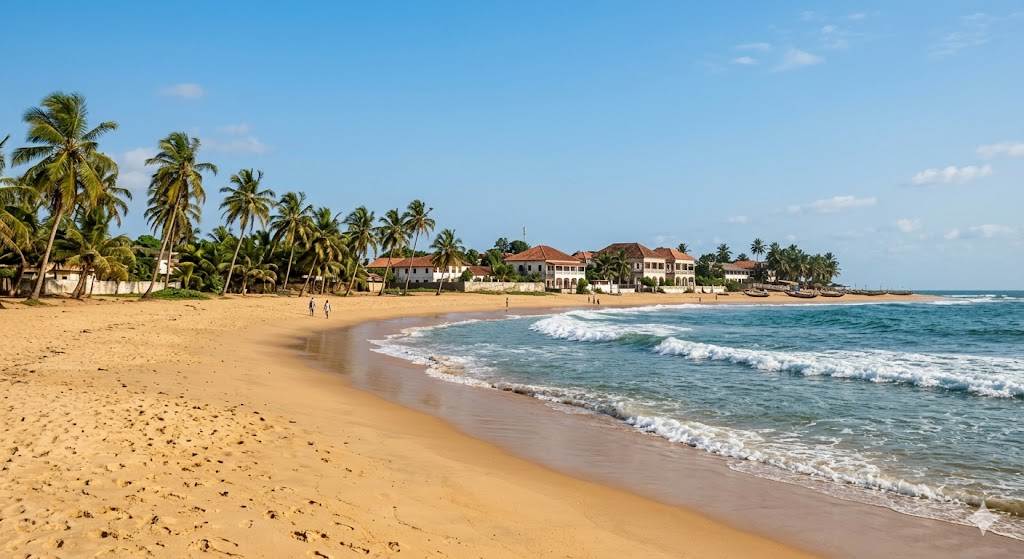
If you keep your itinerary centered around the coast, you will experience the best the country has to offer. The historic town of Grand-Bassam, the beaches of Assinie, and the capital city of Yamoussoukro are generally peaceful and accustomed to foreign tourists. For the smoothest experience, booking one of the best safe tours in ivory coast through a verified local agency ensures you have a professional driver and guide who understand the local landscape.
Navigating Abidjan Safely
As the economic beating heart of the nation, Abidjan is a mesmerizing metropolis. But like any massive city worldwide, abidjan safety varies greatly from one street corner to the next.
Best Safe Neighborhoods in Ivory Coast (Abidjan Focus)
When deciding where to base yourself, location is everything. Look for accommodations in these highly secure areas:
- Cocody: This is the upscale residential neighborhood home to embassies, wealthy locals, and expatriates. It is quiet, beautifully green, and heavily patrolled.
- Le Plateau: The central business district. It is highly secure during the day, though it becomes quiet and isolated after business hours.
- Marcory (Zone 4): A favorite among western food lovers and expats. It features excellent restaurants, shopping centers, and a visible security presence.
Best Safe Hotels in Abidjan
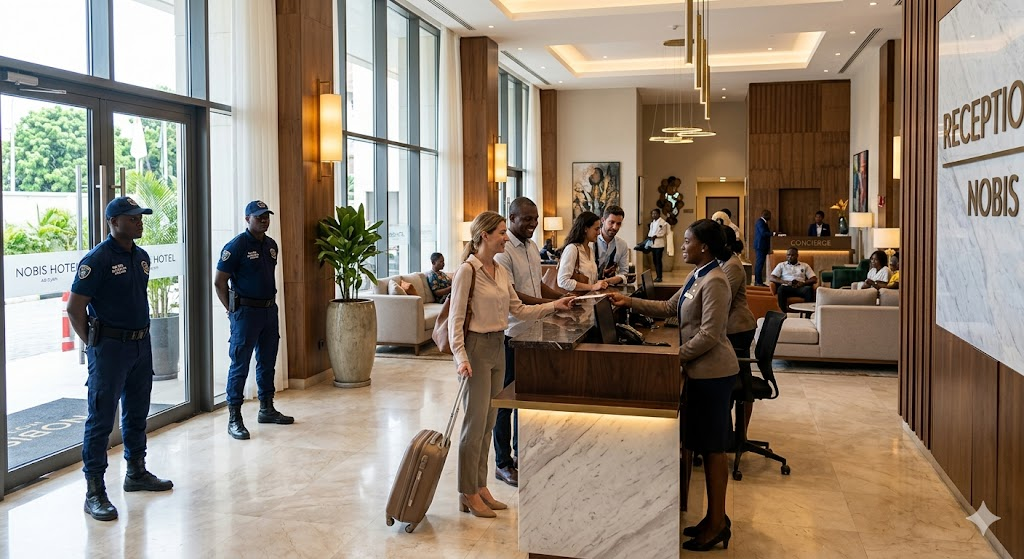
For peace of mind, booking a hotel with dedicated security gates, luggage scanning, and private transport options is highly recommended. Top-tier safe choices include:
- Sofitel Abidjan Hôtel Ivoire (Cocody): An iconic luxury resort offering world-class security protocols and beautiful lagoon views.
- Radisson Blu Hotel, Abidjan Airport: Perfect for business travelers, located right by the runway with strict access controls.
- Mövenpick Hotel Abidjan (Le Plateau): A modern, highly secure option right in the commercial center.
Understanding Everyday Street Crime
While terrorism is a localized northern threat, ivory coast crime in major cities mostly takes the form of opportunistic theft.
Petty Theft and Street Scams
Pickpocketing, phone snatching, and bag cutting are common in crowded places. Muggings can also happen, particularly after dark. The busiest markets in Abidjan, like those in Adjamé or Treichville, require your absolute focus.
Do not display signs of wealth. Leave your expensive jewelry, luxury watches, and designer bags at home. Keep your smartphone tucked away when walking down the street, as thieves on passing motorbikes are quick to snatch devices right out of your hand. If someone does try to rob you, never physically resist. Your belongings can be replaced; your safety cannot.
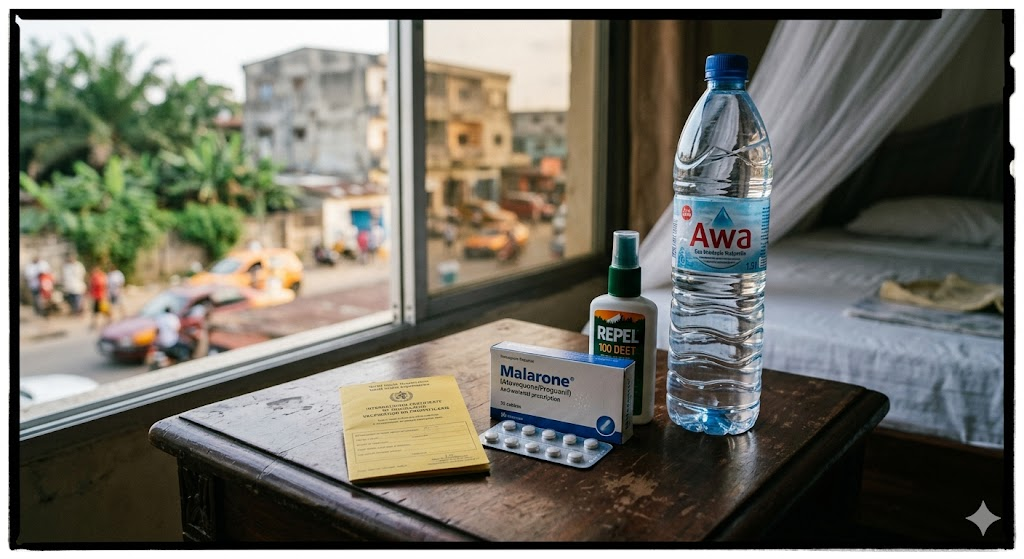
You cannot enter the country without a valid Yellow Fever vaccination certificate. Customs officials check this card strictly at airport arrivals.
Managing Ivory Coast Health Risks
- Malaria: Malaria is highly prevalent throughout the country. Visit your doctor at home a few weeks before traveling to secure an effective prescription for malaria pills.
- Water Safety: Never drink tap water. Stick exclusively to sealed, bottled water, and avoid ice cubes in casual establishments. SafeTravel
- Medical Infrastructure: High-quality healthcare is available in Abidjan through private clinics, but medical care in rural areas is extremely limited. Hospitals will require upfront cash payments or explicit proof of insurance before treating you. U.S. Embassy in Cote d’Ivoire
Practical Safety Tips for American Travelers
To make your trip smooth and stress-free, integrate these habits into your daily routine. This is the best safety guide for ivory coast preparation:
- Avoid Night Driving: Road conditions outside of major cities are poorly lit and full of deep potholes. Furthermore, criminal groups occasionally set up highway robberies after dark. Always travel between cities during daylight hours.
- Use Trusted Rides: Do not hail random taxis off the street at night. Instead, use reputable ride-hailing apps available locally, or have your hotel desk call a trusted private driver.
- Download the Best Safety Apps for Ivory Coast Travel: Keep your phone loaded with navigation tools like Google Maps (offline versions downloaded) and translation apps like Google Translate if you do not speak fluent French.
- Register with STEP: For American citizens, signing up for the Smart Traveler Enrollment Program (STEP) through the U.S. government is completely free. It allows the local embassy to locate and contact you in the event of an emergency. US Embassy in Abidjan
The Best Time to Visit Ivory Coast for Safety
Weather plays a major role in road safety and overall comfort. The best time to visit ivory coast for safety and easy travel is during the dry season, which runs from November to February.
During these months, the skies are clear, humidity drops slightly, and the roads remain dry. The heavy rainy seasons (occurring from May to July and October to November) bring severe risk of flash floods and landslides. Heavy rains can instantly wash out dirt roads in rural areas, leaving you stranded far from medical or mechanical help.
Protecting Your Trip: Insurance and Legalities
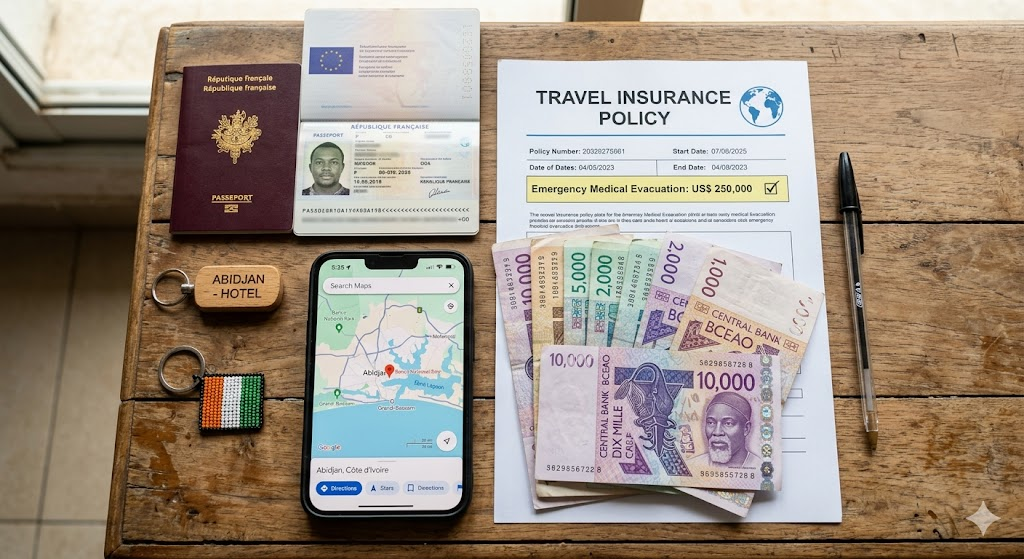
You should never step foot in West Africa without specialized backup. Having the best travel insurance for ivory coast visits means choosing a policy that explicitly includes emergency medical evacuation. If a serious accident happens outside Abidjan, a medical helicopter flight to a top-tier hospital can cost tens of thousands of dollars out of pocket without insurance cover.
Staying on the Right Side of the Law
- Carry Your ID: Local police conduct routine checks at vehicle roadblocks throughout the country. Always carry a clear photocopy of your passport and visa with you, keeping the original locked securely in your hotel safe.
- Photography Restrictions: Avoid taking photos of government buildings, military checkpoints, police stations, or airports. Doing so can lead to intense questioning and the confiscation of your camera equipment. Smartraveller
Final Verdict: Is It Worth It?
When you follow the best safety tips for ivory coast travel, the rewards of visiting this West African gem far outweigh the risks. By staying clear of the northern border areas, choosing secure neighborhoods in Abidjan, protecting your health against malaria, and keeping a low profile in public places, your trip will be both fascinating and secure. Côte d’Ivoire is waiting to be discovered—just bring your common sense along for the journey.
Key Takeaway Summary
- Official Status: Level 2 (Exercise Increased Caution) due to urban crime and northern regional stability issues. Travel
- Critical Avoidance: Stay entirely away from the northern borders adjoining Mali and Burkina Faso. Ireland.ie
- Top Districts: Book your stay in secure Abidjan neighborhoods like Cocody or Zone 4.
- Health Priority: Bring your Yellow Fever card, take malaria pills, and drink only bottled water. Smartraveller
- Ideal Window: Plan your travels between November and February to completely avoid treacherous rainy season floods.