

We all dream of that perfect vacation. Picture pristine alpine lakes, futuristic city skylines, or untouched tropical beaches. For many travelers, these dreams are often attached to specific destinations that share one common trait: they are incredibly expensive.
You might be planning your next big adventure. If so, understanding the costs is crucial. In 2026, traveling isn’t just about the flight and the hotel. It’s about the local cost of living, currency strength, and the price of experiences. Knowing which is the most expensive country to visit can help you plan your budget, set realistic expectations, or perhaps, decide where not to go right now.
This isn’t about discouraging you. It’s about arming you with knowledge. Whether you are seeking luxury travel destinations or just trying to navigate costly travel destinations without breaking the bank, this guide will help you understand why these places cost what they do.

Why Some Countries Are So Costly for Tourists
It’s rarely just one thing that makes a country expensive. It is usually a combination of local economic factors. When you are visiting these pricey countries to visit, you feel the difference immediately. To understand why your dollar doesn’t stretch, we have to look behind the scenes.
1. Currency Strength and Exchange Rates
This is the biggest factor for international travelers. Some nations possess currencies that are incredibly strong. When you exchange your US dollars (USD) for Swiss Francs (CHF) or Cayman Islands Dollars (KYD), you immediately lose purchasing power. Your money simply doesn’t buy as much. This is a primary driver of high costs in many premium travel locations. A strong local currency makes everything—from a coffee to a hotel room—feel more expensive to an outsider.
2. Local Cost of Living and Wages
In many expensive vacation spots, you are paying the high prices that locals pay. Countries with high average salaries and strong social systems (like those in Scandinavia) have a very high cost of living. The people serving you, cleaning your room, or driving your taxi earn good wages. Those costs must be covered by the prices they charge you. High local wages mean high service costs for tourists.
3. Remote Locations and Import Costs
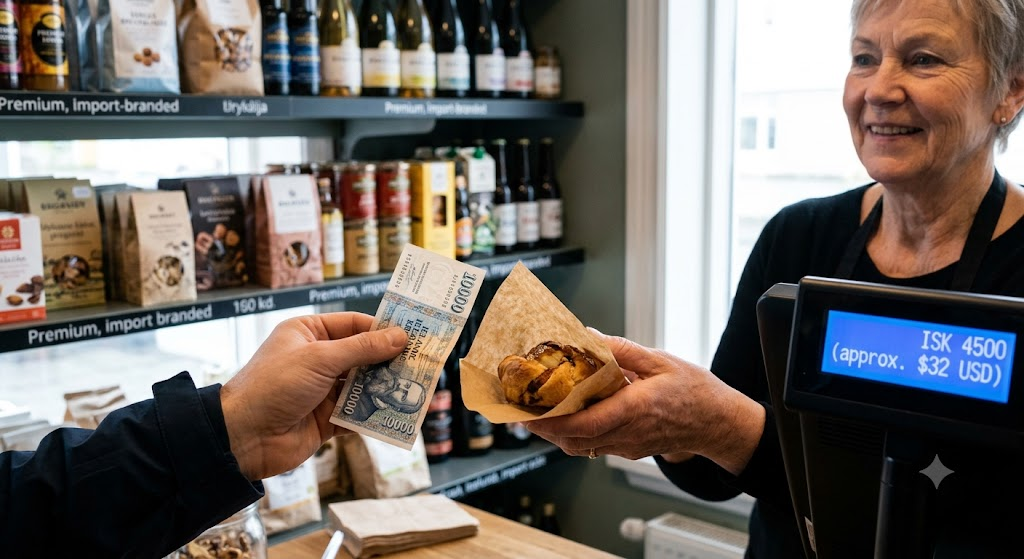
Think of places like Iceland or remote island nations. They are geographically isolated. Almost everything—from fuel and vehicles to fresh fruits and vegetables—must be imported. Shipping goods across oceans is expensive. These logistics costs are added to the price of every item you buy. This makes island destinations consistently rank as some of the most costly countries for tourists.
Understanding the 2026 Rankings
Now, let’s look at the countries that consistently rank at the top. The exact order can shift slightly based on currency fluctuations, but these six are the heavyweights in 2026. This data is based on World Economic Forum and OECD data for the average cost of a mid-range tourist (comfortable hotel, restaurant meals, transport, and standard tours).
| Destination | Hostels/Strict Budget | Mid-Range Comfort | High-End Luxury |
|---|---|---|---|
| Switzerland | $120+ | $330 | $900+ |
| Iceland | $110+ | $300 | $800+ |
| Norway | $100+ | $290 | $750+ |
| Bermuda | (Limited) | $310 | $1000+ |
| Denmark | $100+ | $280 | $700+ |
| Cayman Islands | $110+ | $290 | $850+ |
(Estimated average daily spend per person, 2026 USD.)
Why Switzerland is So Expensive: Switzerland is almost always at or near #1. Its currency, the Swiss Franc (CHF), is a global safe haven. High local wages, expensive agriculture, and limited land drive up prices. A basic fast-food meal here is legendary for its cost.
Why Island Nations are So Expensive: Bermuda and the Cayman Islands show how extreme import costs and a deliberate focus on high-end tourism create a costly environment. You won’t find many budget hostels or all inclusive deals in these places; they are structured as luxury travel destinations.
Preparing for a Costly Trip: Financial Tools
When you know you are heading to one of the top expensive places to travel, your preparation must be precise. This is where most people waste money before they even arrive.
1. Smart Currency Management
Do not wait until you get to the airport to exchange currency. Airport kiosks offer terrible rates. Use your bank (or an online bank like Revolut or Wise) to get local currency at the real interbank rate. This simple step can save you 5-10% on your total budget.
2. The Right Credit Cards
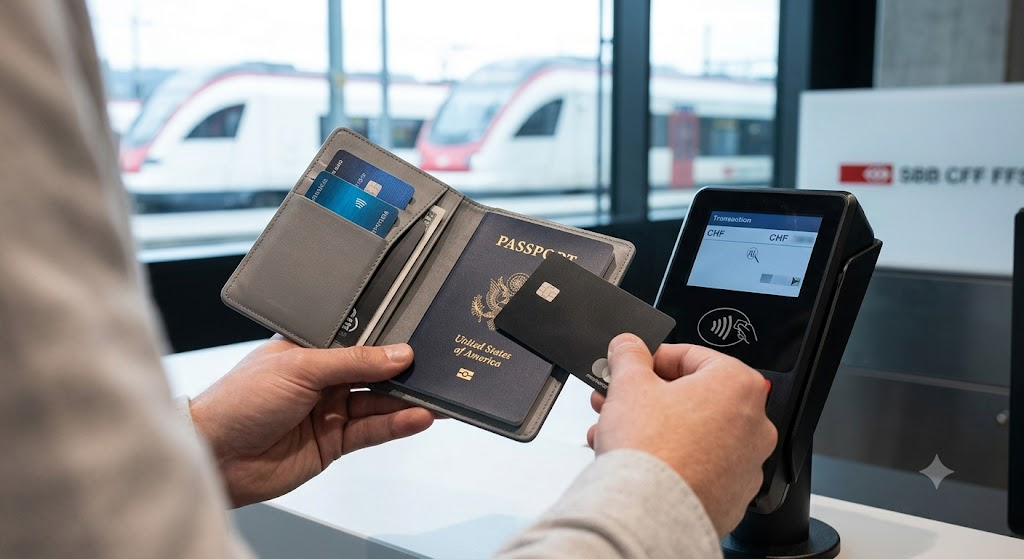
You absolutely must use a credit card with no foreign transaction fees. Many standard cards charge an extra 3% fee on every purchase you make abroad. Over a ten-day trip, that adds hundreds of dollars in pure waste. Research the best credit cards for travel to expensive countries; these cards often have annual fees but offer perks (like lounge access or insurance) that pay for themselves quickly. Look for cards that offer primary rental car insurance and high rewards on travel and dining.
3. Strategic Travel Insurance
In expensive countries, everything is expensive—including emergencies. If you get injured or sick in Switzerland, your US health insurance will not help. A single hospital visit can result in a bill of thousands of dollars. Best travel insurance for expensive destinations must have robust medical coverage (at least $100,000 to $250,000 for emergency medical) and medical evacuation coverage. This isn’t where you want to go with the cheapest policy. This is a non-negotiable expense in a high-end travel destination.
Timing is Everything: When and How to Go
The price you pay is heavily influenced by when you choose to go. If you are inflexible with your dates, you will pay maximum prices.
The Best Time to Visit (and Save)
The “best time” is often a trade-off. For the most popular expensive destinations (like Iceland, Switzerland, or Norway), the best time to visit (for peak weather and activities) is the high summer (late June, July, and August). This is when everyone wants to go, and prices are sky-high.
The absolute best way to save is to target the shoulder season:
- May/June or September/October for Western Europe (Switzerland, Norway).
- Late May or Early September for Iceland.
During these months, the weather is still pleasant, most attractions are open, but accommodation and flight prices can drop by 20-30% compared to July. You skip the peak crowds and the peak prices of these top expensive places to travel.
Smart Strategies to Save (When You Arrive)
Once you land in a costly travel destination, you cannot operate as you would at home. Saving money becomes a strategic game. Here are the best ways to save money in expensive countries from veteran travelers.
1. Master Public Transportation
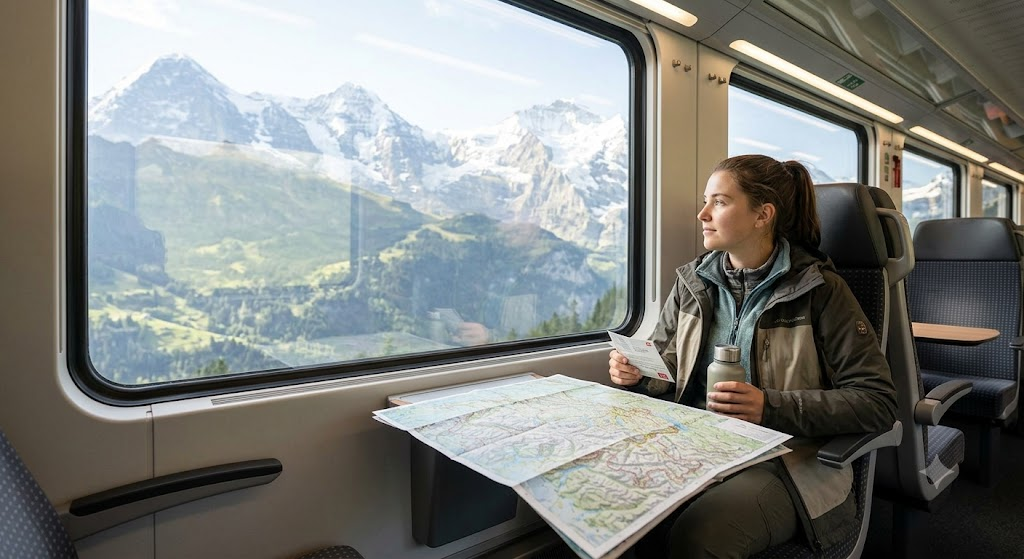
Taxis and rideshares in these countries are financially devastating. Avoid them completely. These expensive nations almost always have incredible public transport networks. Invest in a travel pass (like the Swiss Travel Pass or a city card). They look expensive upfront, but they pay for themselves if you use the trains, buses, and ferries consistently. This is a key insight in many best travel guides for expensive countries.
2. Embrace Self-Catering and “Supermarket Dining”
Eating every meal in a restaurant in Switzerland or Norway is unaffordable for most. Plan to eat only one major meal out per day (perhaps lunch). For other meals, lean heavily on supermarkets. European and island supermarkets are of very high quality. You can buy fresh bread, local cheese, cured meats, and premade salads for a fraction of restaurant prices. This simple adjustment is one of the best budget tips for expensive countries.
3. Prioritize Free and Natural Attractions
You are in these countries because they are beautiful. The best things—hiking trails, fjords, alpine viewpoints, and walking through old town centers—are almost always free. Do not feel obligated to do every paid activity. Prioritize paid entry only for things you truly care about. A high-altitude hike in the Lauterbrunnen Valley cost you only your train fare. A massive waterfall in Iceland is free.
Frequently Asked Questions
1. Is it possible to visit the most expensive country to visit on a tight budget?
Yes, but it requires a complete change in how you travel. You cannot rely on traditional tourist conveniences. To make it work, you must skip hotels entirely in favor of hostel dorms or camping, cook 90% of your own meals using local supermarkets, and rely exclusively on public transit passes. Even with these sacrifices, your daily baseline expense will still be significantly higher than a standard trip to a budget-friendly destination.
2. What are the best ways to save money in expensive countries?
The absolute best ways to protect your wallet include:
1: Buying food at grocery stores: Avoid restaurants for breakfast and lunch. Grab fresh local bread, cheeses, and fruit from supermarkets instead.
2: Utilizing tourism passes: Many high-end countries offer all-in-one regional train and bus passes that drastically lower transit costs.
3: Sticking to nature: Focus your itinerary on hiking, viewpoints, public beaches, and walking tours, which cost absolutely nothing.
3. When is the best time to visit most expensive country destinations?
The best strategy is to travel during the shoulder season. For European giants like Switzerland or Norway, this means targeting May to early June, or September to October. During these weeks, accommodation rates drop significantly, crowds thin out, and major outdoor attractions remain open. Avoid the peak summer months of July and August if you want to dodge maximum pricing.
4. Do I really need the best travel insurance for expensive destinations?
Absolutely. In places with an exceptionally high cost of living, medical care is equally high-end and costly. Standard US health insurance typically will not cover you abroad. A minor injury or unexpected medical emergency can easily result in thousands of dollars in out-of-pocket bills. Look for a policy that offers at least $100,000 in emergency medical coverage.
5. Are there good all inclusive deals in expensive countries?
Rarely. Destinations like Bermuda, Iceland, and the Cayman Islands deliberately focus on high-end, independent luxury travel rather than mass-market all-inclusive packages. When you do find them, they carry massive price tags. Instead of looking for classic all-inclusives, look for premium hotels that bundle your room with complimentary breakfast and regional transit passes to offset daily costs.
Final Thoughts: Making the Choice
Visiting the most expensive country to visit is a significant investment. For some travelers, the high cost is a dealbreaker. They would prefer a longer, more luxurious trip in Southeast Asia for the same money.
But for others, the pristine landscapes, safety, and efficiency of these high-end travel destinations make them absolutely worth it. You don’t have to be a millionaire to visit these places. You just have to be prepared, strategic, and disciplined. By understanding why they are costly and using the smart strategies shared here, you can experience the unmatched beauty of these countries without sacrificing your financial future.
It’s your priceless adventure. Plan accordingly.